Jun 2026
Best Job Boards for Digital Nomads an...
Read →
If you want to work remotely from another country, you need to follow legal rules to avoid problems.
The most important step is to get the correct visa or work permit for the country where you plan to stay, because working on a tourist visa is often against the law.
Understanding local visa laws and work permits helps you stay compliant while doing your remote work.
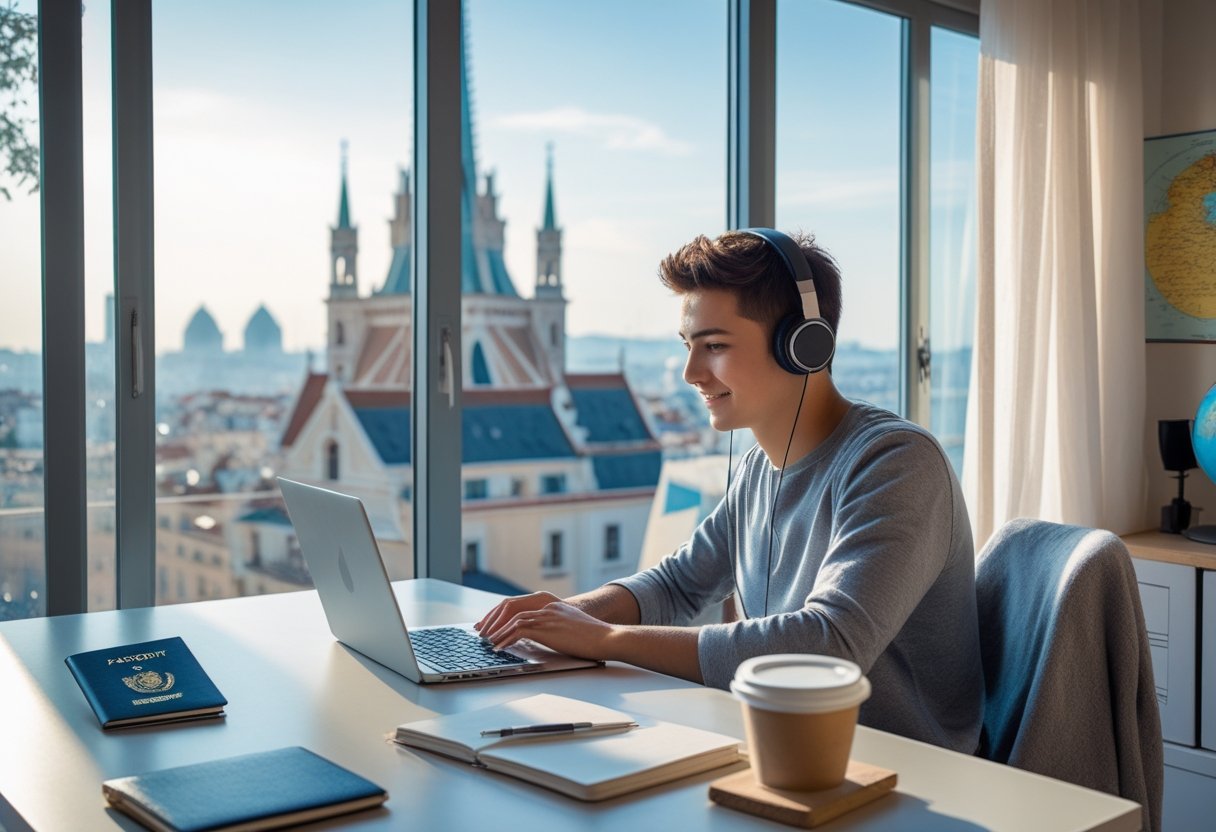
You must also consider tax rules in both your home country and the country where you will live.
Working remotely from another country may change how you pay taxes or report income based on local laws and your tax residency status.
Knowing these rules ahead of time protects you from penalties and keeps your remote work legal.
Your job type and employer can also affect your ability to work abroad.
If you work for a U.S. company or as an independent contractor, different rules may apply, such as avoiding permanent establishment risk for your employer.
Learning about these details helps you transition smoothly and legally to remote work from another country.
For more information, check this guide.

When you plan to work remotely from another country, you must follow specific rules about visas, permits, and local laws.
Ignoring these legal requirements can cause serious problems, including fines or being forced to leave the country.
You need to find out what visa allows you to stay and work legally in your destination country.
Many countries now offer digital nomad visas designed for remote workers.
These usually let you stay longer than a typical tourist visa and sometimes waive traditional work permit needs.
Check the visa requirements carefully.
Some may require proof of income, health insurance, or a remote job contract.
The application process varies; you may need to apply online or at a consulate.
Tourist visas rarely allow you to work legally, so do not assume you can work on one.
If your visa does not cover work rights, you’ll likely need a work permit.
This document lets you work within the country and is often linked to a specific employer or type of work.
Work permit rules vary based on your nationality, employer, and destination.
Some countries require you or your employer to apply before arrival.
Be prepared for possible fees, processing times, and paperwork like contracts or background checks.
Without a work permit, your remote job may be illegal, risking penalties.
Even if you work remotely for a company in your home country, you must follow the labor laws of the country you live in.
This can include rules on work hours, employee rights, and taxation.
Some European countries have laws protecting workers’ right to disconnect after work hours.
You may also have to pay local taxes or social security contributions depending on your residency status.
For detailed rules, refer to official government or labor websites for your destination.
For more on working remotely abroad legally, see Uncovering the Legalities of Remote Work Abroad.

When you work remotely from another country, you face important tax rules that affect how and where you pay taxes.
Your tax residency status, the tax treaties between countries, and whether your work creates a business presence all matter.
Tax residency determines which country can tax your income.
If you spend more than 183 days in a country during a year, that country may consider you a tax resident.
This can make you liable for taxes on your worldwide income in that country.
Your home country might still tax you based on your residence or citizenship.
You could end up with two countries claiming tax on the same income, known as double taxation.
Rules on tax residency vary, so you should check the specific laws where you live and work.
Double taxation agreements (DTAs), or tax treaties, help prevent being taxed twice on the same income.
Countries sign these agreements to define who gets to tax what and where relief is applied.
If a treaty exists between your home country and the country you work from, it may reduce your tax burden through exemptions or credits.
Not all countries have DTAs, and the details in each treaty differ.
Review the treaty terms carefully to know your rights and obligations.
A permanent establishment (PE) is a fixed place of business that can create corporate tax obligations for your employer.
If your remote work in another country is seen as creating a PE, the company might owe taxes locally.
PE risks can arise if you work long-term or have an office or equipment in that country.
Some countries also consider whether you make contracts or decisions there.
Knowing PE rules helps you and your employer manage risks and comply with tax laws in both countries.
You must report your income and pay taxes properly in each country where you owe tax.
This usually means filing tax returns in both your home country and where you work remotely.
Keep good records showing how many days you spend in each country and your sources of income.
This helps if tax authorities request proof to apply DTAs or resolve residency issues.
You might also qualify for tax benefits like the Foreign Earned Income Exclusion (FEIE) if you are a U.S. citizen.
Consult a tax professional who understands remote work taxation and international laws to guide you through complex reporting requirements.
For more insights, review guides about tax implications of working remotely from another country.

When working remotely from another country, you must understand your employer’s rules and meet all documentation requirements.
Clear communication and proper paperwork help avoid compliance and job performance issues.
Your employer likely has specific policies about remote work that you need to follow.
These rules may cover working hours, communication, data security, and which countries or time zones you can work from.
Review these policies carefully to see if working abroad is allowed.
If no clear policy exists, ask your employer in writing about your plan.
You and your employer should agree about expectations like availability, deliverables, and tools to use.
Some companies may require you to sign an updated remote work agreement before you start working internationally.
Following your employer’s policies helps you stay compliant and protects both you and your company from risks.
Proper documentation is crucial when working remotely from another country.
Your employer may need to update your work contract or remote work agreement to include your new location and responsibilities.
Keep written confirmation of permission to work abroad, including any approved remote work policy documents or emails.
Employers often require proof of work authorization or visas for the country you plan to work from.
Clear records of your work hours, tasks, and communications help maintain transparency.
Being prepared with this documentation ensures you comply with company policies and international work laws.
For more details, see The Do’s And Don’ts Of A Remote Work Policy.
When you work remotely from another country, you must follow the country’s visa and immigration rules.
Different visas have specific rules about how long you can stay and whether you can legally work.
Understanding these options will help you avoid legal trouble and enjoy your remote work.
Digital nomad visas are special permits designed for remote workers like you.
They let you live and work legally in a country without needing a local employer or traditional work permit.
These visas usually require proof of steady income, like Spain’s requirement of earning at least €2,763 per month.
Countries offering nomad visas, such as Spain and South Africa, often have stays that last from six months to a year or more.
You must meet income, health insurance, and background check requirements.
Applying for these visas usually means you pay local taxes only if you become a resident.
For detailed guides on countries offering such visas, visit sites like VisaVerge for trusted advice.
Tourist visas are mostly for short visits and usually do not allow you to work remotely.
Using a tourist visa for remote work can risk fines or deportation since most countries do not legally permit work on this visa type.
Work visas are meant for employment within a country.
You generally need a local employer sponsor, which differs from digital nomad visas designed for self-employed or remote workers.
Always check the country’s policy because some allow remote work with a work visa, but many require a specific digital nomad or freelancer visa.
Tourist visas often have stay limits of 30 to 90 days, while work or digital nomad visas offer longer stays and legal security for your remote job.
Understanding these differences helps you choose the right visa for your digital nomad lifestyle.
When working remotely from another country, you must understand how your contractor status affects taxes, legal rights, and compliance.
Your business structure abroad also impacts how you are officially recognized and managed by the company you work for.
You can work as an independent contractor or an employee, but the distinction is important.
Independent contractors operate their own business and often have more control over their schedules and methods.
Employees usually have set hours and receive benefits under labor laws.
Your classification affects tax responsibilities.
As an independent contractor, you may handle your own taxes and social security.
Employees typically have taxes withheld by the employer.
In many countries, local rules decide if you qualify as an employee or an independent contractor.
Misclassifying can cause fines and legal issues.
You should confirm your status with your employer and understand local employment laws when working abroad.
Misclassification happens when a company treats a worker as an independent contractor but the law sees them as an employee.
This can lead to penalties for your employer and loss of protections for you.
To avoid this, make sure your contract clearly states your role and your employer follows local labor laws where you live.
Using an Employer of Record (EOR) service can help, as they handle compliance and employment responsibilities legally.
Review these details carefully:
Being transparent about your employment type helps protect you and your employer from legal problems related to misclassification.
For more details on hiring foreign remote staff legally, see US companies employing foreign remote staff.
When working remotely from another country, you must handle data with care.
You have to follow different countries’ rules about how personal and work data are protected.
Keeping your work data safe and lawful is a top priority.
Different countries have their own data protection laws you must follow. For example, the European Union enforces the General Data Protection Regulation (GDPR), which requires strict controls on personal data use and transfer.
When you move data across borders, check if the host country has specific rules. You may need to get permission or take extra steps to protect data.
If you ignore these rules, you can face fines or legal trouble. Employees moving abroad should work with their company to ensure all personal data transfers meet local legal requirements.
Identify what data will move and how you will secure it during travel and storage.
Use strong security tools to protect your work data. This includes VPNs, encrypted communication channels, and secure passwords.
Avoid public Wi-Fi or use a trusted VPN when you connect to the internet. Keep your devices updated with the latest security patches.
Always follow your employer’s security policies. Regularly back up your work and avoid sharing sensitive files through unsecured platforms.
Careful data handling reduces risks of cyber attacks and data breaches, especially when working remotely from other countries.
When you work remotely from another country, you need to plan carefully. Setting up a strong internet connection, managing different time zones, understanding local costs and culture, and protecting your work-life balance are all important to staying productive and happy.
Your internet connection is the foundation of remote work. Check the average speeds and reliability in the area before you move.
Look for accommodations or coworking spaces that offer stable, high-speed Wi-Fi. If possible, choose a place with a backup option like a mobile hotspot.
Invest in a portable router or external modem in case your main connection fails. Test your setup as soon as you arrive to fix any problems early.
Having multiple internet providers in your area can reduce downtime. Video calls, file transfers, and other work tasks need consistent bandwidth.
A connection speed of at least 20 Mbps download and 5 Mbps upload is recommended for smooth work.
Working from a different time zone means your schedule might not match your team’s. Plan your work hours around important meetings and deadlines.
Try to set core hours that overlap with your coworkers’ business hours. Use asynchronous communication tools like email, chat apps, or project management software when you’re offline.
Clearly communicate your availability to your team. A shared calendar with your current time zone can help avoid missed meetings or delayed responses.
The cost of living can vary a lot between countries. Research prices for housing, food, transport, and utilities so you can budget properly.
Living in a lower-cost country might let you save money or improve your quality of life. Don’t overlook cultural differences.
Work habits, communication styles, and social norms can affect your daily routine. Some countries have more relaxed work hours or different holiday schedules.
Learn local customs to avoid misunderstandings. Showing respect for culture improves your personal experience and helps you connect with locals.
Remote work from abroad can blur the lines between your personal and professional life. Set clear boundaries by creating a dedicated workspace and defining your work hours.
Take regular breaks during your workday. Stop working at a set time each day.
Overwork can cause burnout. Burnout lowers your productivity and affects your health.
Join local groups or online communities for remote workers to stay social. Building connections helps reduce isolation.
Use tools to track your time and manage tasks. Make time for rest and activities outside work to recharge.